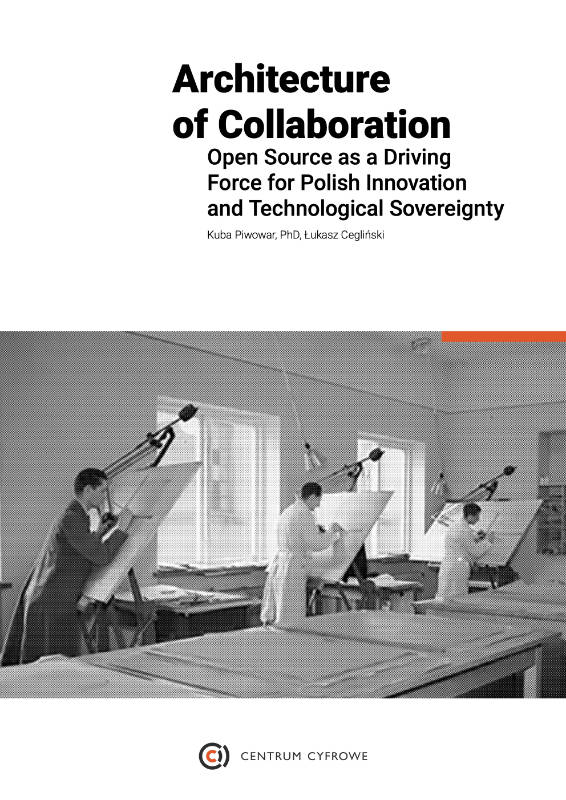
New SocTech report: “Architecture of Collaboration: Open Source as a Driving Force for Polish Innovation and Technological Sovereignty”
Poland's digital transformation does not have to mean dependence on global tech corporations. In this new report, we show that free and open-source software offers an opportunity to strengthen security and technological sovereignty, invest in domestic innovation, and build a digital commons.



Autor: Johnson Julius, Trelleborgs Museum
As we publish “Architecture of Collaboration: Open Source as a Driving Force for Polish Innovation and Technological Sovereignty”, the debate surrounding digital sovereignty is in full swing. The operating systems, analytical tools, and communication platforms that power our economy, education, and public institutions are mostly owned by a narrow group of global corporations. This creates a dangerous dependence on specific vendors, foreign legislation and stakeholders.
This is where the open source model comes in as a viable solution. While some may connect this phrase with “free versions” for popular programs and applications, it is much more than that: above all, it is a philosophy of co-creation, in which transparency and sharing of resources for the common good are deeply embedded. It is also the (often completely “invisible”) foundation of the plethora of tools we use every single day. From a European perspective, openness can also mean leveling the playing field in the technological race with the US and China – by charting an alternative development path.
The authors of the study – Kuba Piwowar, PhD and Łukasz Cegliński – analyzed the Polish open-source software (OSS) and hardware (OSH) landscape in detail, mapping out the opportunities and barriers faced by public administration, businesses and the open source community. The desk research analysis was supplemented by 15 in-depth interviews with experts working with open-source software in varied fields and contexts.
What can we gain from Open Source?
- True cybersecurity: Open-source code enables continuous community auditing and the early detection of vulnerabilities. Keeping the system architecture classified – so-called “security through obscurity” – provides only an illusion of protection.
- Retaining capital within our borders: In 2024, Poland’s trade deficit in digital services amounted to approximately PLN 45 billion. A portion of these funds left the local economic circulation irreversibly, in the form of license fees paid to foreign monopolists. The systemic implementation of the open-source model lets these funds circulate domestically, supporting GDP growth.
- Tech ecology and “clean code”: Open-source applications are lighter and free from aggressive corporate tracking telemetry. This translates, among other things, into better protection of personal data and reduced energy, battery, and CPU consumption, which effectively extends the lifecycle of devices.
What’s next? Strategic recommendations for Poland
The report not only diagnoses existing issues, but outlines potential next steps as well:
- Systemic implementation of the “Public money, public code” principle: Software commissioned and financed by taxpayers must be made available under an open license. In addition, systemic support for the stability of the Polish open-source market will ensure the continuity and development of the digital commons.
- Supporting digital cooperativism: The creation of a state platform featuring verified, secure open-source software, along with implementation examples and documentation, will minimize needlessly multiplied public funds spending and efforts of public administration professionals.
- Leading by example, with no open-washing: Ministries and central institutions must set a clear example through genuine, rather than superficial, implementation of open-source software models. This will, among other things, lower the mental barriers for public offices seeking to break the status quo which favors “pre-packaged” Big Tech solutions.
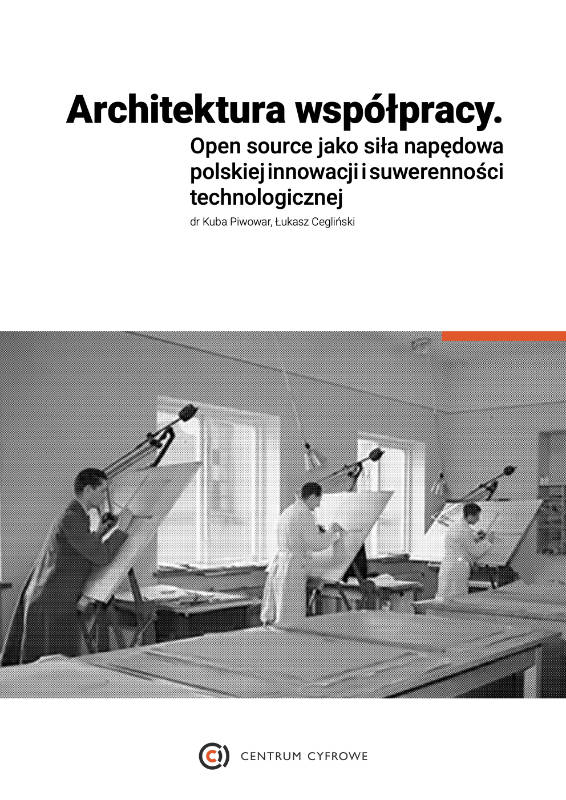
See more insights and recommendations in the full report:
|
English
|
Polish
|
The study was conducted as part of the Tech Sovereignty Task Force PL project, which comprises the Panoptykon Foundation, CoopTech Hub (CTH), and the Centrum Cyfrowe Foundation.
The project is supported by Civitates: The European Democracy Fund.
The views and opinions expressed in this publication do not necessarily reflect the official position of Civitates, the Network of European Foundations (NEF), or the partner organizations. The authors bear sole responsibility for the content presented herein.